Extension for Real Life
Description
Extension for Real Life is a product of the MSU Extension Service’s Office of Agricultural Communications.
That’s a long way of saying we are professional communicators who get to talk about food, families, 4-H, flowers, and farming for a living.
Blog content is created by a core team of communicators, including Susan Collins-Smith, Ellen Graves, Natasha Haynes, Qula Madkin, Michaela Parker, and Jonathan Parrish. But we get by with a lot of help from our friends in Ag Comm and Extension!
You can reach us at 662-325-2262 or extreallife@msstate.edu
-

How to Make Zucchini Three Ways
If you want an inexpensive vegetable, this time of year you can find zucchini *everywhere.* If you have friends with big gardens, they might even give it away. Some of my Extension agent friends in other states joke about locking their car doors to keep people from putting bags of this versatile squash in there when no one is looking!
-

New Mississippi Crop Situation Podcast
We’re excited to announce MSU Extension has recently launched the Mississippi Crop Situation Podcast!
-

Food Tossed is Money Lost: Tips for Saving Food and Money
Every weekend before I go grocery shopping, I clean out the refrigerator and experience guilt.
Partially full yogurt containers past their expiration date. Shriveling squash. Browning celery. Leftovers I saved with good intentions but never ate. (Photo by Kevin Hudson)
-

How to Make a Microwave Southwest Scramble
I love cooking eggs for breakfast. However, my omelets end up being more scrambled than the fancy folded-over works of art served in restaurants. With that in mind, I’m usually looking for quick and creative scrambled eggs ideas. (Photo by Zac Ashmore and Jonathan Parrish)
-
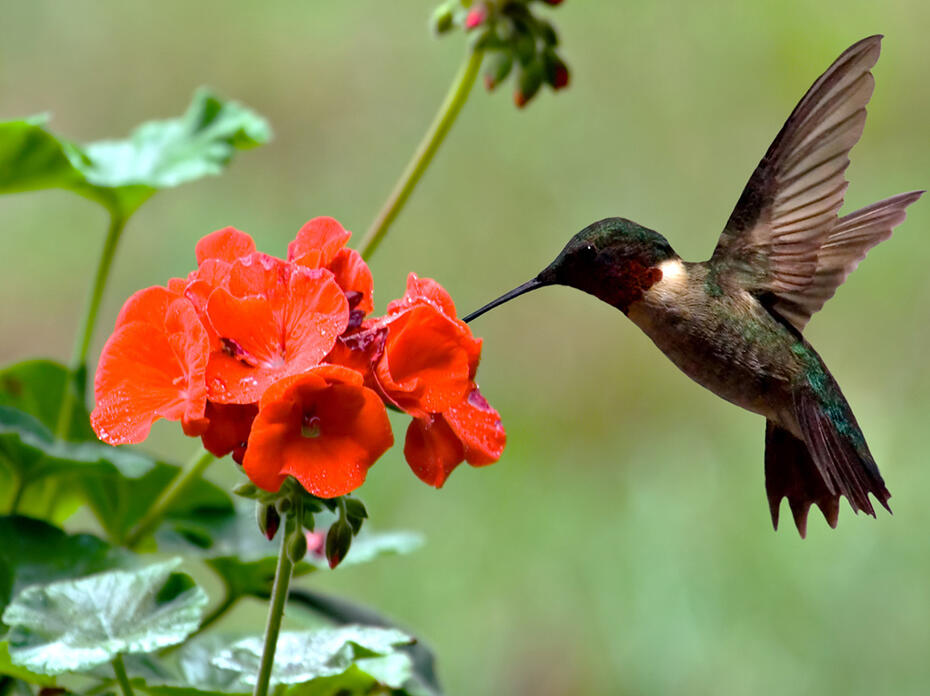
How to Attract Hummingbirds
Hummingbirds are fascinating creatures and fun to watch. We usually begin to see them in Mississippi in March. Here are a few tips to draw them to your landscape.
-

How to Make a Sheet Pan Italian Sausage & Pepper Bake
Everybody loves to save time in the kitchen. Sheet pan suppers have become a very trendy topic lately – Pinterest is LOADED with recipes and ideas. For me, a sheet pan meal is a surefire way to clean up in a hurry, because I line the pan with foil.
-

Learn How to Identify Snakes
-
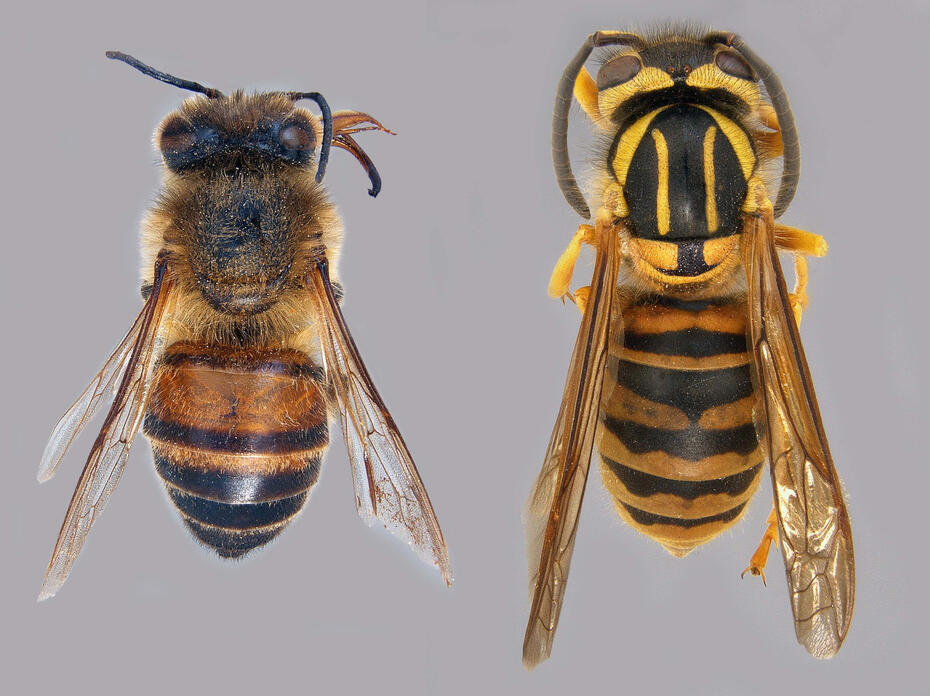
Honey Bee or Yellow Jacket?
A yellow-gold insect buzzes around your head and your first instinct is to swat. Or run. Or swat while running.
The fear of being stung can send me into fight or flight mode in seconds . . . and I’m a beekeeper. True story. No one likes being stung! (Photo by Mississippi Entomological Museum/Joe Macgown)
-
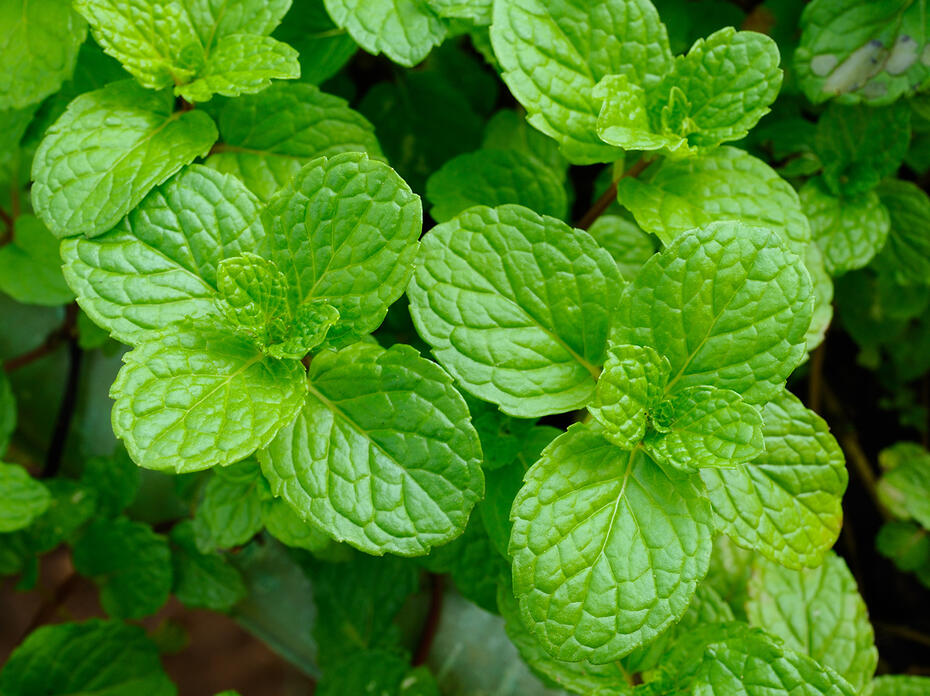
Can Fragrant Plants Help Repel Insects?
Growing herbs in containers on your porch or doorstep gives you a lot of bang for your buck.
Most herbs grow without fuss, look lovely, smell wonderful, and add fabulous flavors to your home-cooked meals. More flavor means you can cut back on salt and fat! (Photo by Canstock Photo)